
At StarTec Communications Inc., one of the most common things we see on construction sites is not a lack of security, but a setup that no longer reflects how the job is actually progressing.
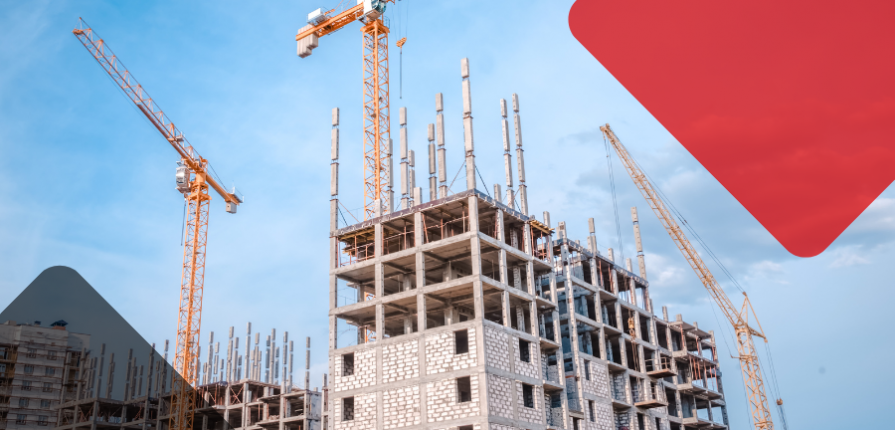
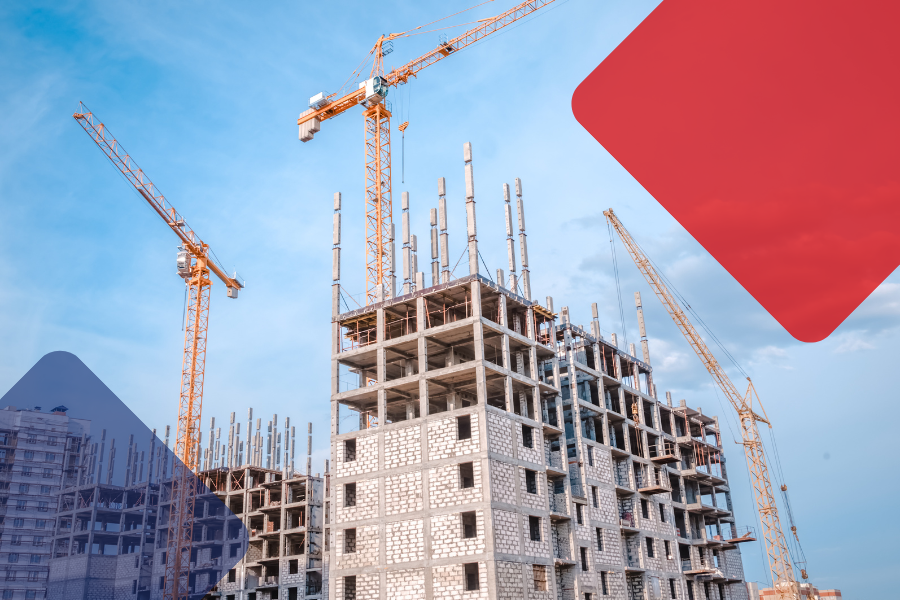
Construction sites are difficult to secure because they never really stay the same. What is protected one week can be exposed the next as materials move, crews rotate, and access points shift throughout the project.
A setup that made sense at the beginning can lose effectiveness over time, even when the equipment itself is still working. That disconnect is where most jobsite security issues begin.
Where Traditional Coverage Starts to Struggle
Most sites rely on some combination of cameras, lighting, or on-site personnel. Each has its place, but they are often set up around how the site looked at a specific point in time.
As work progresses, those conditions change, and the limitations of each approach become more noticeable:
- Cameras remain positioned where they were originally installed, even as activity shifts to different areas of the site
- Lighting improves visibility, but does not address what happens when activity is detected
- On-site guards provide presence, but coverage depends on timing, location, and consistency across the site
Individually, these approaches are not ineffective, but they are not always built to keep up with a jobsite that is constantly evolving.
Security That Moves With the Site
What tends to work better is a setup that can adjust as the project moves forward. Mobile surveillance trailers give you that flexibility. They can be positioned where risk is highest, relocated as phases change, and deployed without needing permanent infrastructure. With cameras, lighting, and communication working together, they provide coverage in areas that would otherwise require multiple separate systems. That ability to move with the job is what makes the difference.
What Actually Works on an Active Jobsite
What tends to hold up on construction sites is not a single piece of equipment, but a combination of coverage, monitoring, and the ability to adjust as the project changes.
In practice, that usually includes:
- Mobile surveillance trailers that can be placed where risk is highest and moved as the site evolves
- Live monitoring so activity is addressed as it happens, not reviewed after the fact
- Audio intervention and response coordination to interrupt incidents before they escalate
- Flexible positioning of cameras and equipment as work zones shift throughout the project
This approach does not rely on a fixed layout or a single layer of protection. It reflects how construction sites actually operate, with coverage that can be adjusted as conditions change.
Monitoring Changes the Outcome
There is also a clear difference between recording activity and responding to it. When a system is only recording, issues are often discovered after the fact. When monitoring is involved, activity can be evaluated as it happens, which allows for immediate response. Whether that means issuing an audio warning or coordinating next steps, the timing is what changes the outcome. In practice, that is often the difference between a situation being interrupted and one being documented.
Protecting More Than Equipment
Material loss is usually the first concern, but it is not the only one. Unauthorized access, after-hours activity, and liability exposure all increase when a site is not consistently monitored. Delays tied to missing materials or damage can affect more than one phase of a project, especially when timelines are already tight. When security is handled properly, it supports the flow of the project, not just the protection of assets.
If you are planning an upcoming project or need to improve coverage on an active jobsite, StarTec Communications Inc. can walk through your site and recommend a setup that reflects how it will actually operate. Call 781-740-7898 or visit https://gostartec.com/contact-us/ to schedule a jobsite consultation.
From Temporary Protection to Long-Term Systems
As projects move closer to completion, security needs tend to shift. Temporary jobsite coverage can transition into permanent video, access control, and fire systems, which allows the overall design to carry forward instead of being replaced. Working with one provider through that process keeps things consistent and avoids unnecessary handoffs. It also helps ensure that what is installed at the end reflects how the building will actually be used.
Building Security Into the Project
The most effective approach is to think about security early and adjust it as the project develops. Waiting until issues arise usually leads to reactive decisions. Planning ahead allows coverage to keep pace with the job instead of falling behind it.
For teams managing active construction, that approach provides a more reliable way to protect both the site and the schedule. Call 781-740-7898 or visit https://gostartec.com/contact-us/ to speak with StarTec Communications Inc. about securing your next project or improving coverage on a site already underway.
Leave a Reply